
Description
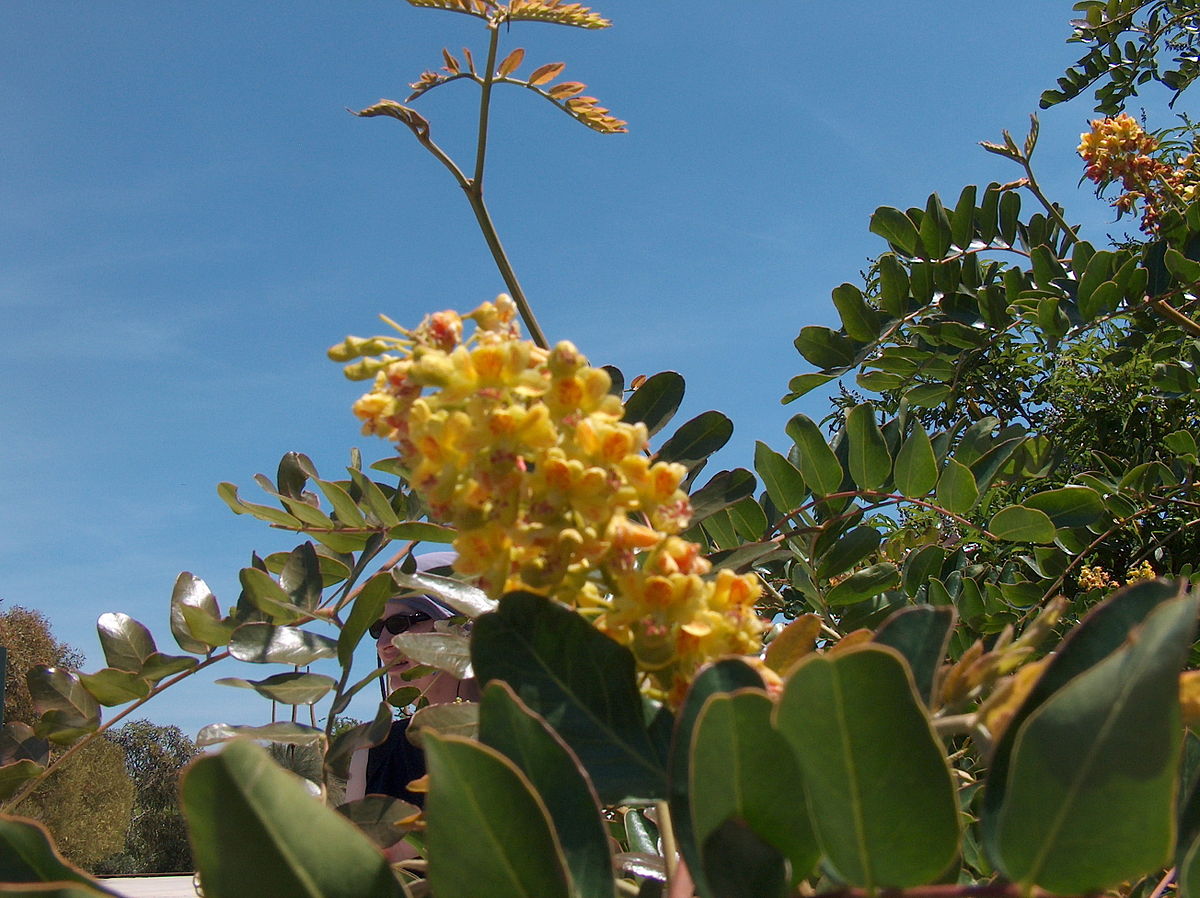
Tara spinosa, commonly known as tara, is a small leguminous tree or thorny shrub native to Peru. T. spinosa is cultivated as a source of tannins based on a galloylated quinic acid structure.
₹554.00
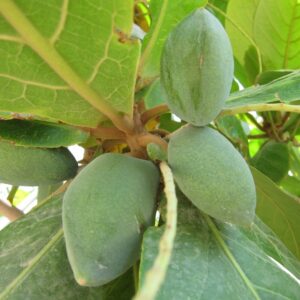
It has an erect and slender trunk and it is rich in tannins. Seedpods yield a powder that is used as eyewash. The seeds endosperm is a source of gum used as a thickening agent and stabilizer in food.
Synonyms: Poinciana spinosa MOL., Caesalpinia pectinata CAV., C. tara, C. tinctoria HBK, Coulteria tinctoria HBK, Tara spinosa, Tara tinctoria
C. spinosa is in the Fabaceae family, depending on the classification system, the Caesalpinioideae subfamily, and Caesalpinieae tribe.
Out of stock
Tara spinosa, commonly known as tara, is a small leguminous tree or thorny shrub native to Peru. T. spinosa is cultivated as a source of tannins based on a galloylated quinic acid structure.
| Weight | 2 kg |
|---|---|
| Dimensions | 36 × 15 × 15 cm |
| Common Name | Tara (Quechua) |
| Difficulty | easy to grow |
| Fertilizer | Apply any organic fertilizer |
| Flower Colour | Flowers are yellow to orange with 6-7mm petals |
| Height | C. spinosa typically grows 2-5 m tall |
| Soil | can grow in poor soils including those high in sand and rocks. |
| Sunlight | Full Sun |
| Temperature | 30 degrees F |
| Water | medium |
| Bloom Time | Seasonal bloomer. |
Only logged in customers who have purchased this product may leave a review.


Reviews
There are no reviews yet.